"We are responsible for our faithfulness, not for controlling every result."
Most of us have something valuable tucked away for safekeeping. Maybe it's a set of dishes, a handmade quilt, or something that belonged to someone we love. We treasure it so much that we're afraid to use it. But sometimes, in our efforts to protect something precious, we forget the purpose for which it was given. Our faith can become like that, too. We value our relationship with God and appreciate the church, but faith was never intended to be something we simply preserve. God calls us to put it into practice.
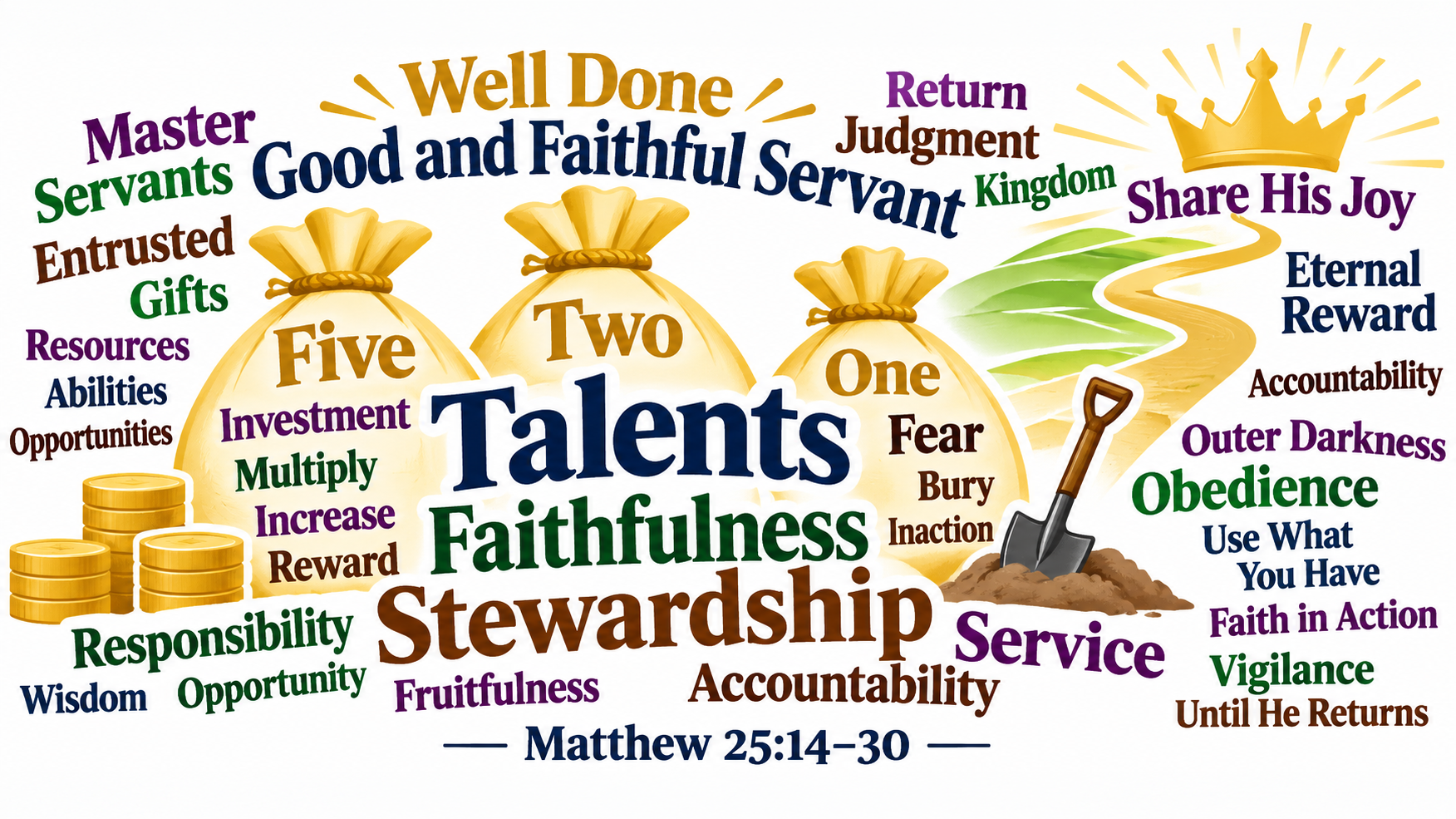
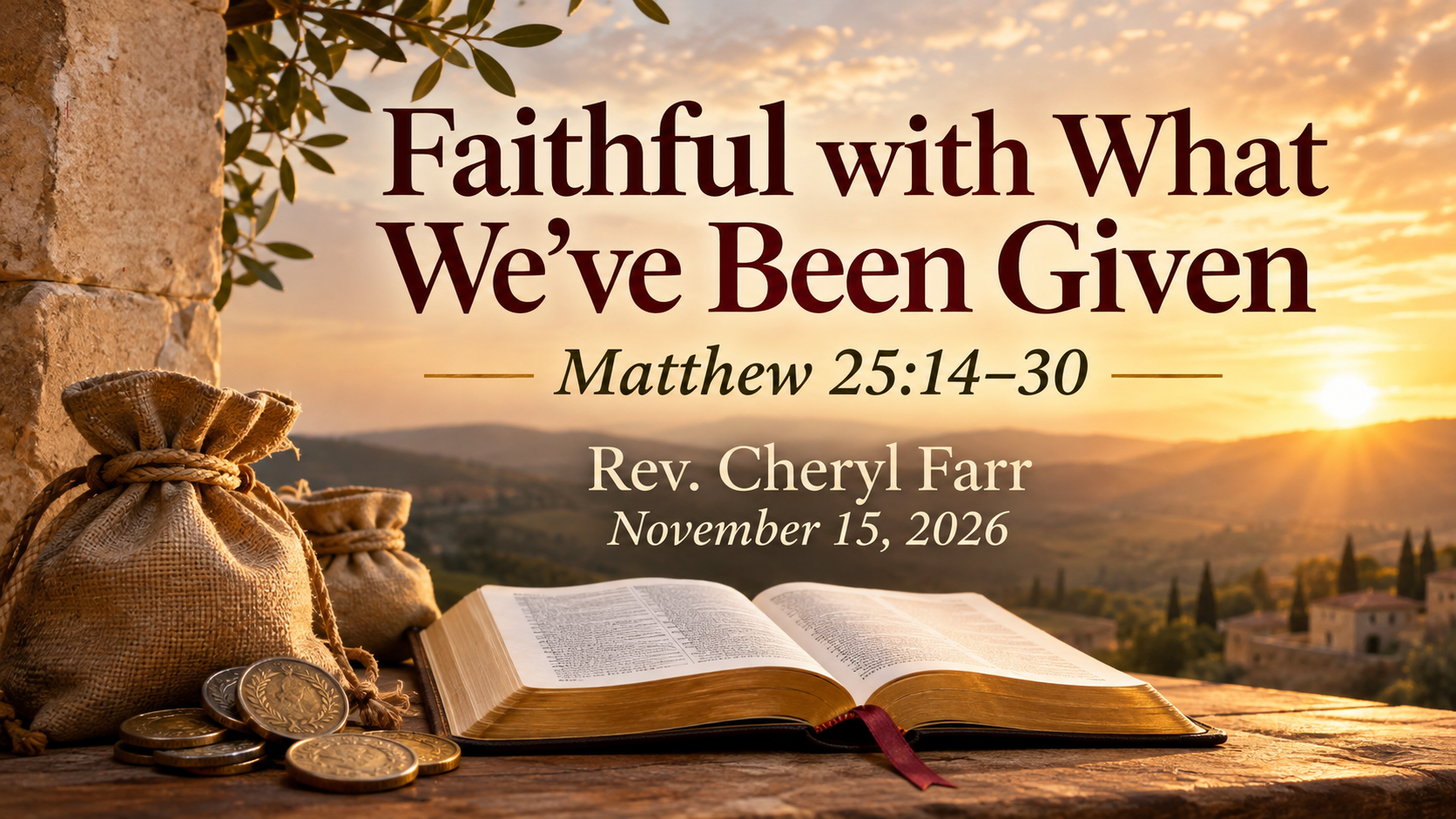
In Matthew 25:14–30, Jesus tells the parable of three servants entrusted with their master's wealth. Two use what they've received, while the third buries his portion because he's afraid of losing it. When the master returns, the first two receive identical praise despite their different accomplishments. Their faithfulness matters more than the amount they produce. The story reminds us that God doesn't measure our discipleship by comparing us with others. He asks us to respond faithfully to the gifts, opportunities, and responsibilities He has placed in our hands.
That responsibility extends into every part of Christian life. We may recognize the importance of worship, fellowship, outreach, and serving others, but agreeing that something matters isn't the same as doing it. Every believer has a part in the life of the Church. We cannot expect someone else to pray, grow spiritually, build relationships, or fulfill our responsibilities for us. At the same time, faithfulness doesn't guarantee that every effort will produce visible success. God calls us to serve with courage and love, trusting Him with results we cannot control.
The good news is that our faithfulness begins with God's grace. We don't serve to earn His love because He has already offered that love through Jesus Christ. His grace forgives us, strengthens us, and gives us opportunities to begin again when we've fallen short. The question isn't whether we can accomplish everything perfectly. It's whether we're willing to trust God enough to use what He has entrusted to us.